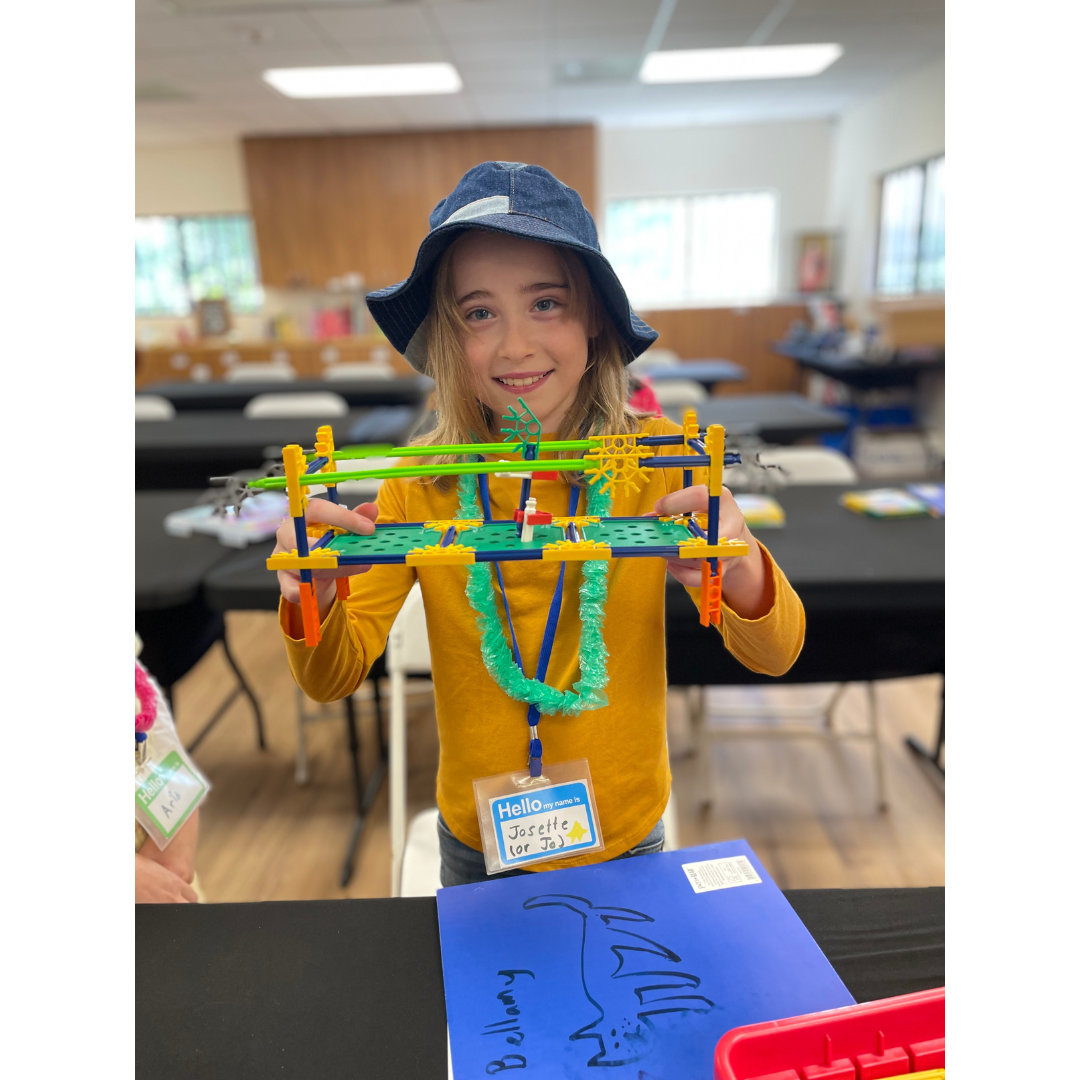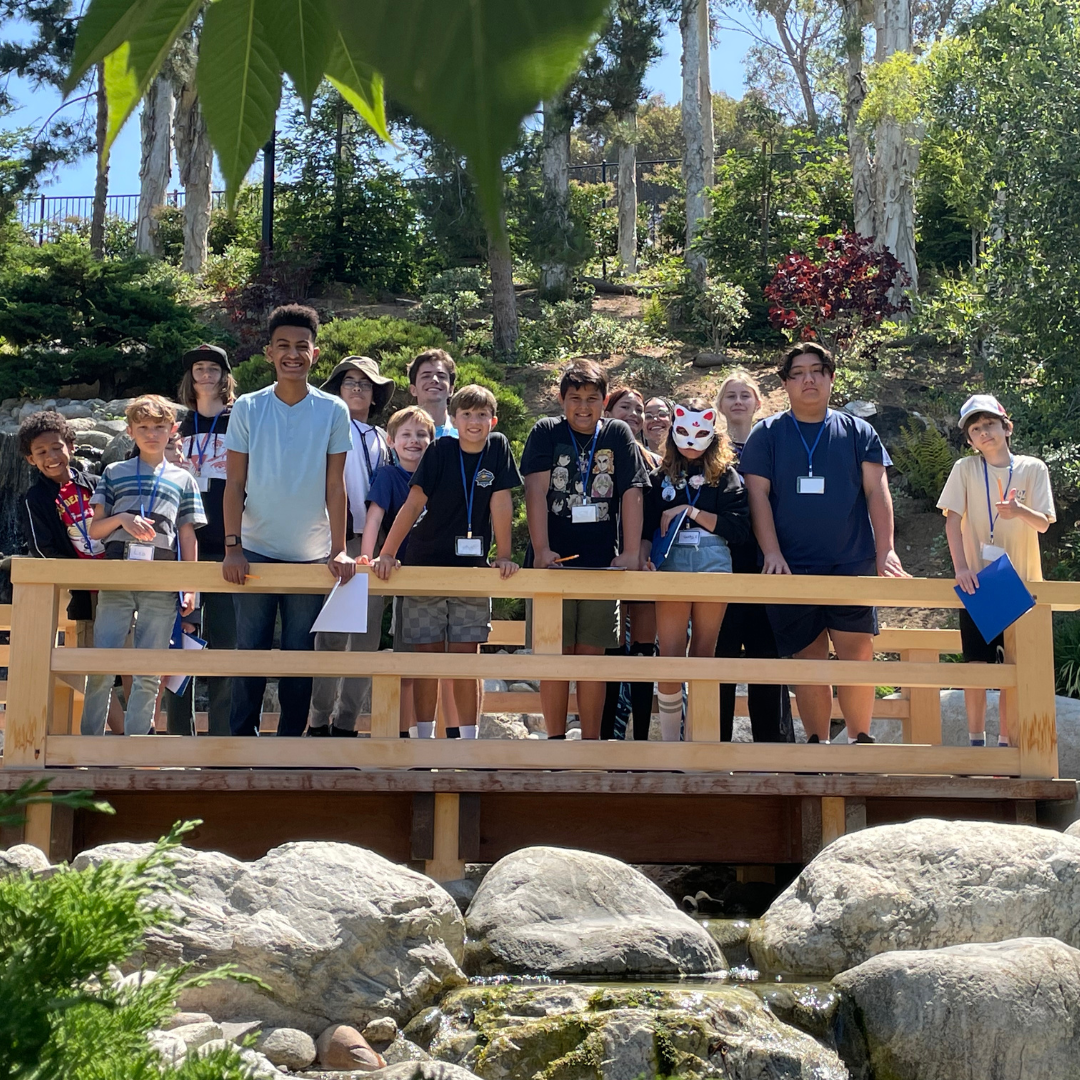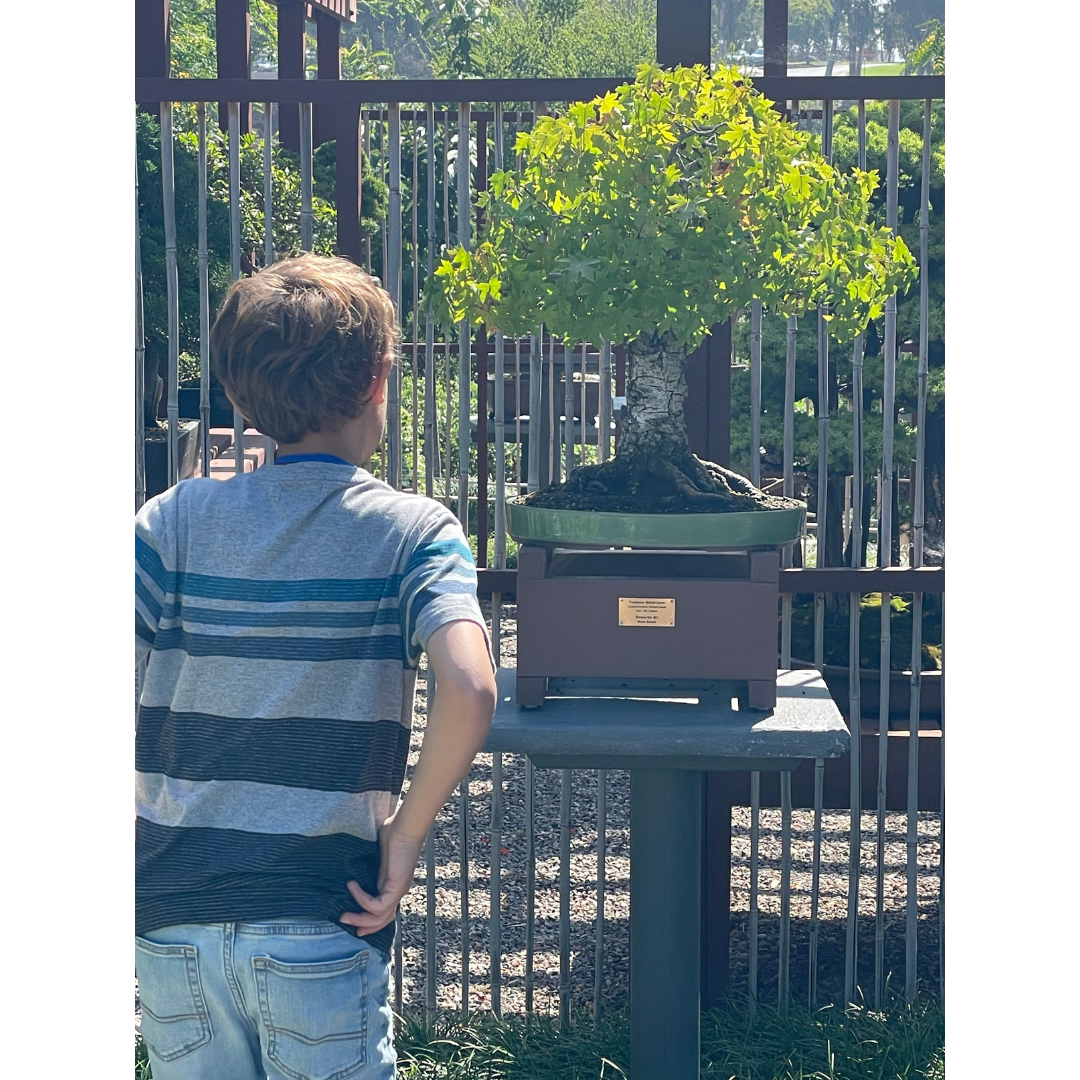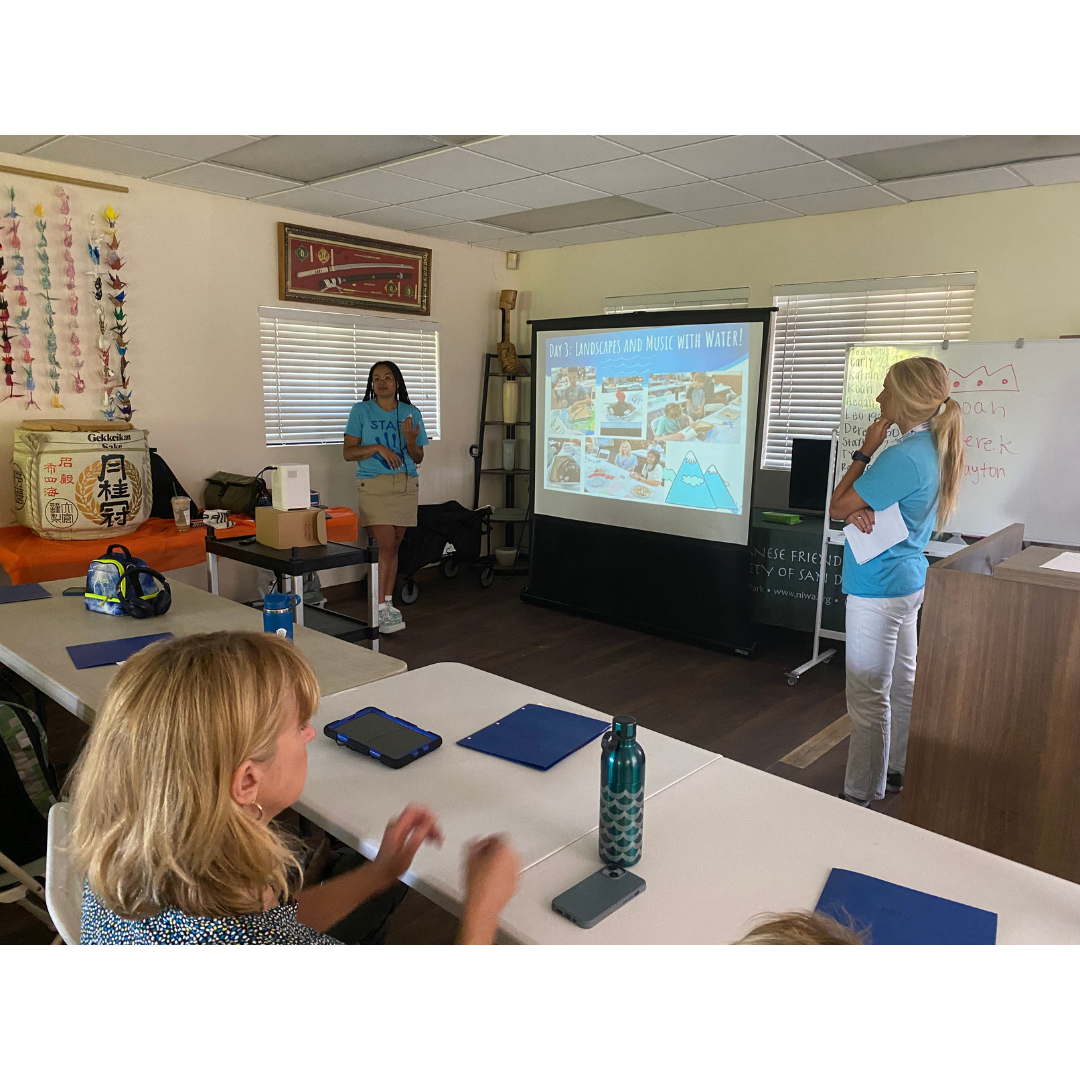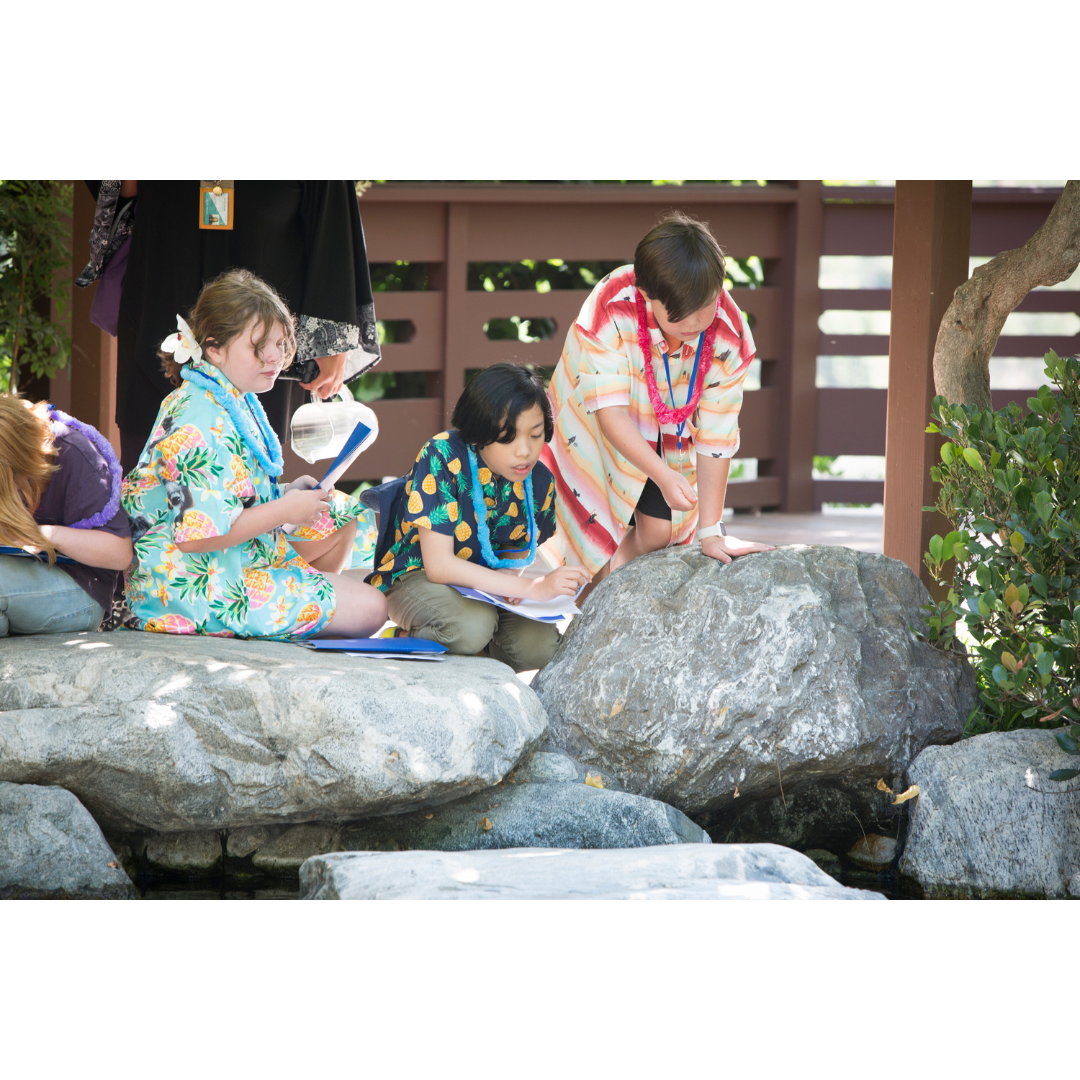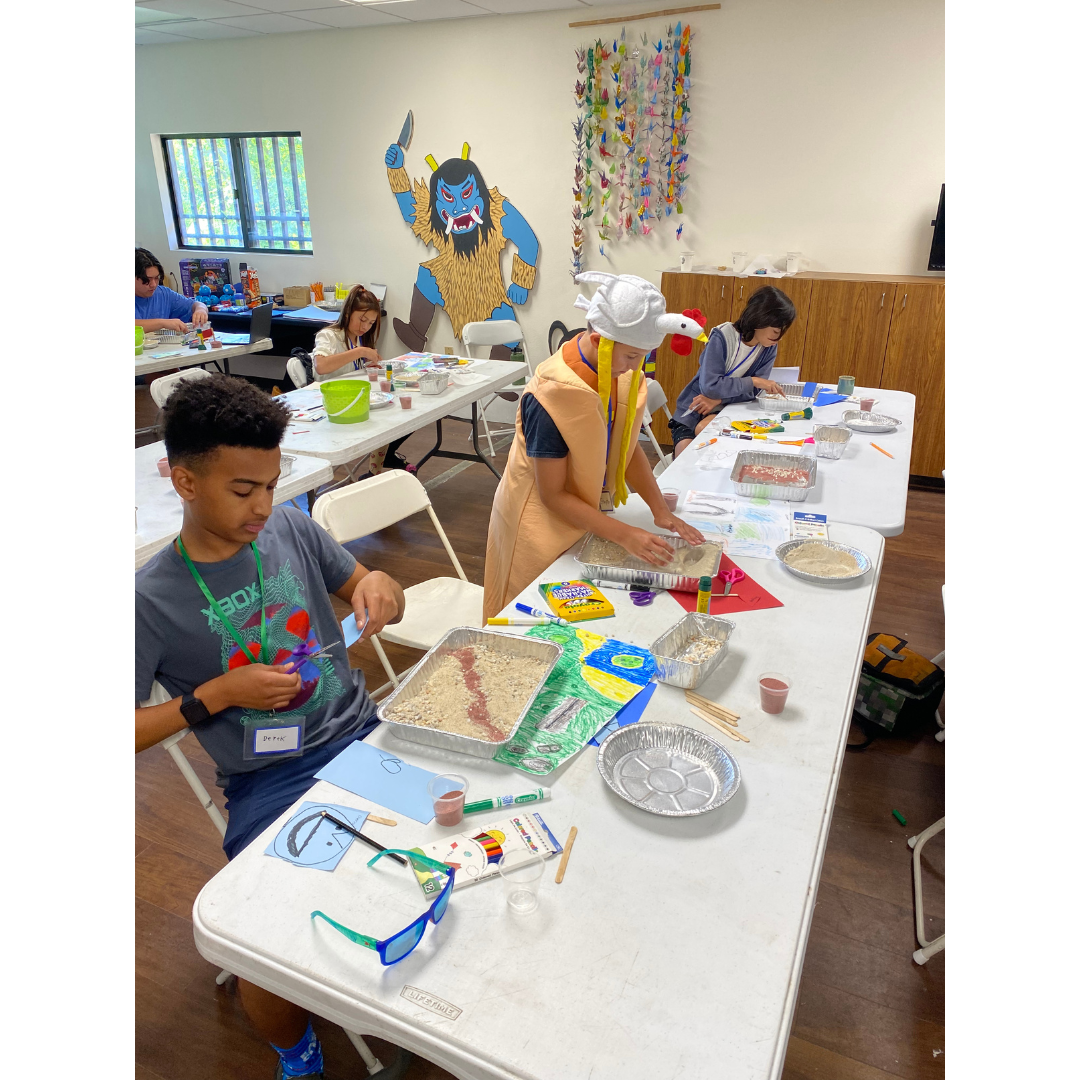
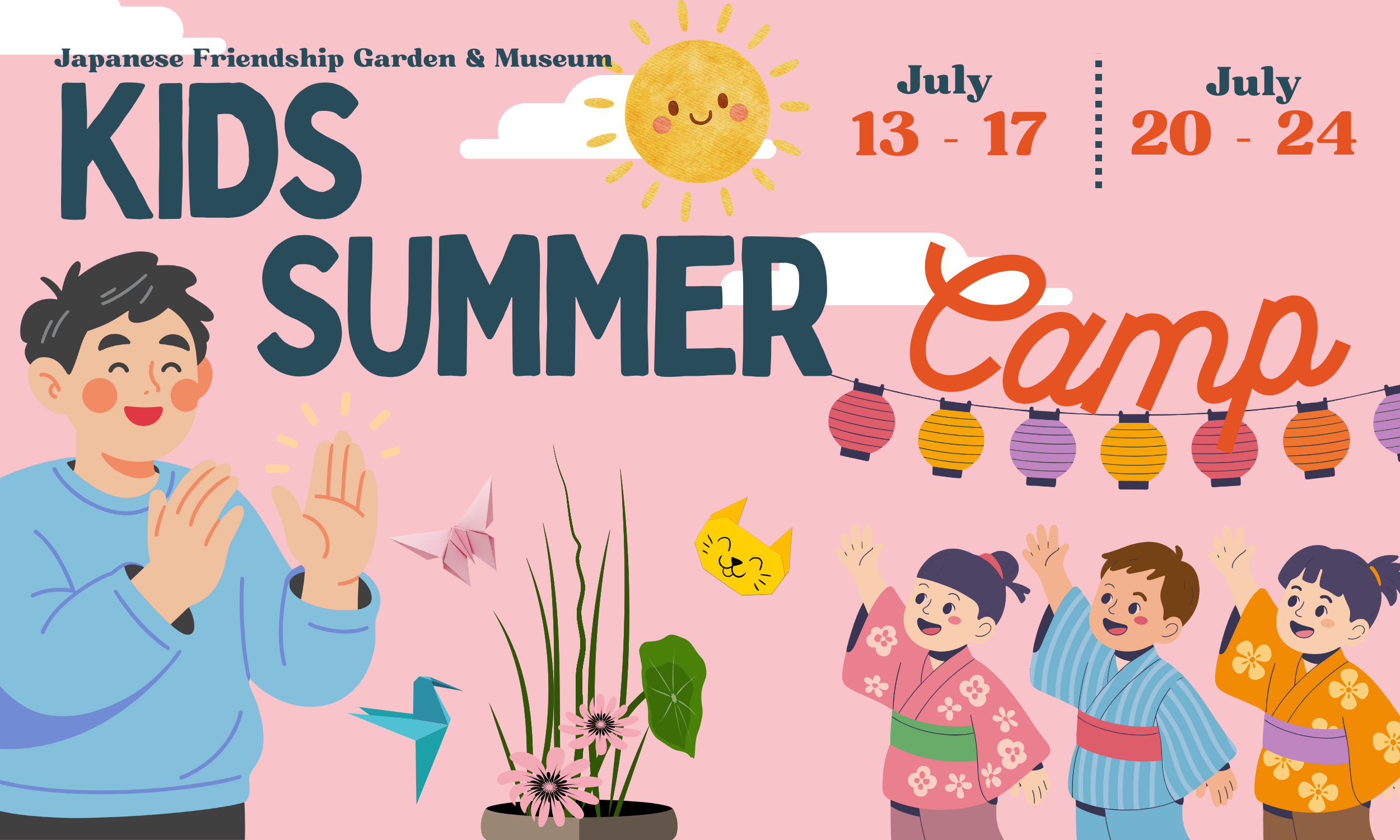
JFGM invites campers to experience a taste of Japan! Our summer camps provide different activities within Japanese culture, wellness, and sustainability. We have camps available from grades 1st-8th.Capacity is limited, so registration for each grade level is first come first serve. Don’t miss out on an exciting opportunity!


Capacity is limited to 20, so registration for each grade level is first come first serve. Completion of payment and the registration form are required to participate.
Each Summer camp is five days.
JFGM Week 1-3: $240.00 for JFGM Member | $260.00 Non-Member
STEAM in NIWA Camps: $360 JFGM Member | $380 Non-Member
Questions and other JFGM Summer Camp inquiries can be e-mailed to education@niwa.org.
Cancellation Policy
- Cancellations made more than 7 days prior to the start of the camp will receive a refund, minus a 10% cancellation fee per camp.
- No refunds or credits within 7 days of any program
Member rates are for Japanese Friendship Garden & Museum Members. Balboa Park and Go City pass holders will pay regular camp prices.
For FAQs about our camps, please go to our FAQs webpage.
Become a JFGM Member Here
Week 1
Grades 1 & 2 | jULY 13th-jULY 17th | 9:00am-Noon
Monday
Printmaking
Create your own original, reproducible images by transferring ink from a matrix onto paper. Campers will explore printmaking techniques while using the form sheet. Through hands-on experimentation, students will design, carve, ink, and press their own unique prints to take home.
Uchiwa Making
Design and create your own traditional Japanese hand fan (uchiwa) while learning about its cultural history and seasonal uses in Japan. Campers will decorate their fans with original artwork, patterns, or nature-inspired designs using a variety of materials. This activity combines creativity and craftsmanship, resulting in a beautiful and functional keepsake to stay cool all summer long.
STEM LAB
Join us as we explore the wonderful world of Science, Technology, Engineering, Arts and Mathematics combining innovation, unique tradition, and cultural heritage at the Japanese Friendship Garden & Museum. We will embark on a journey of observation, curiosity, and discovery as we explore the wonders of Japanese nature and wisdom with hands-on experiments, outdoor adventures, and critical thinking activities through this STEM LAB Sampler presented by LKW STEM FOUNDATION! This STEM LAB Sampler will include Bamboo & Sustainability, Ecosystems & Earthworm Adventures, and Koi Fish Genetics and Biomimicry! Our time together will foster collaboration, cultural appreciation, and empower young minds to become innovators and leaders as we laugh and learn together through STEM Education!
Tuesday
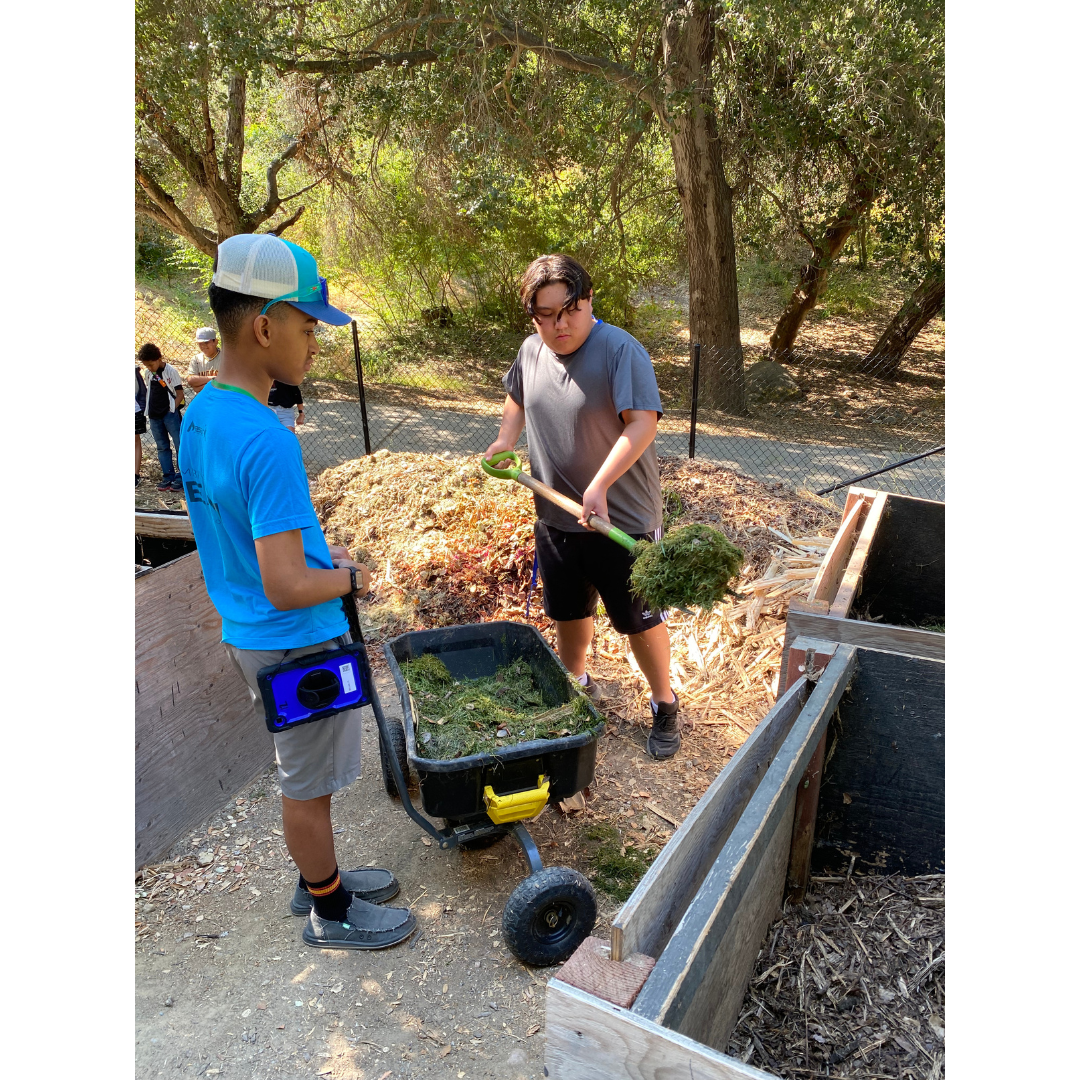
Compost
Visit our on-site compost station and learn how food scraps and garden waste are transformed into nutrient-rich soil. A staff member will demonstrate how the system is maintained and explain the importance of composting in reducing waste and supporting a healthy garden ecosystem.
STEM LAB
Ikebana
Ikebana is one of the traditional arts in Japan. Ikebana involves arranging a wide array of materials including blooming flowers, branches, stems, leaves and moss in vases or other containers to create a visually appealing work of art. In this summer camp, students will create their own design with their imagination, ideas and expressions using flowers, leaves, and branches. It will be lots of fun.
Wednesday
Flower Pot
Using compost from our garden nori (biodegradable glue), and flower seeds, campers will create their own biodegradable flower pots. This hands-on activity teaches sustainability while giving students something they can plant and watch grow at home.
Art Class with a local artist
STEM LAB
Thursday
Origami
Discover the art of Japanese paper folding by transforming a single sheet of paper into beautiful shapes and figures. Campers will learn traditional folds and techniques while creating animals, flowers, and seasonal designs. This calming and creative activity builds focus, patience, and fine motor skills while introducing an important aspect of Japanese culture.
Bubble Tunnel Science
Step inside a giant bubble and discover the science behind how bubbles are formed. Campers will learn about surface tension and experiment with bubble-making techniques in this interactive STEM activity.
STEM LAB
Friday
Candy Sushi
Get creative by making sushi-inspired treats using a variety of candies. Campers will shape, roll, and design their own colorful “sushi” creations in this fun and delicious activity.
Sumie
Japanese ink painting, or sumi-e, is the embodiment of Japanese aesthetics. Using just simple black ink and carefully curated white space, sumi-e captures the timeless beauty and complexity of the natural world.
STEM LAB
Week 2
Grades 3-5 | jULY 13th-jULY 17th | 1:00pm-4:00pm
Monday
STEM LAB
Join us as we explore the wonderful world of Science, Technology, Engineering, Arts and Mathematics combining innovation, unique tradition, and cultural heritage at the Japanese Friendship Garden & Museum. We will embark on a journey of observation, curiosity, and discovery as we explore the wonders of Japanese nature and wisdom with hands-on experiments, outdoor adventures, and critical thinking activities through this STEM LAB Sampler presented by LKW STEM FOUNDATION! This STEM LAB Sampler will include Bamboo & Sustainability, Ecosystems & Earthworm Adventures, and Koi Fish Genetics and Biomimicry! Our time together will foster collaboration, cultural appreciation, and empower young minds to become innovators and leaders as we laugh and learn together through STEM Education!
Calligraphy
Calligraphy (shodō: "the way of writing") is the art of writing beautifully. Most children in Japan learn calligraphy in elementary school, and it is also a popular hobby among adults. An interesting aspect of Japanese writing that carries over to calligraphy is the importance that is placed on the order in which the strokes of characters are drawn.
Toro Nagashi
Ikunosuke “Mike” Kawamura is a survivor of the Hiroshima atomic bomb in 1945 and was two years old when the bomb exploded. Growing up in post-war Japan and experiencing Hiroshima’s perseverance and subsequent prosperity, he became inspired to speak the message of tolerance, understanding and peace between nations. He joined Kyocera Corporation of Kyoto, Japan in 1969 and is known as one of “the Five Samurais” , the original pioneers who established the manufacturing operations in San Diego. He held many executive positions of Kyocera group companies in the US, Europe and South America. He has retired and serves in a number of community organizations including as board member of Japanese Friendship Garden, Japan Society of San Diego, and Tijuana and SD-WISH. At the summer camp the children will be introduced to the story of “The Peace Tree from Hiroshima” and will make paper lanterns to float on the pond in the Lower Garden. Through this program, we hope children will gain a deeper understanding of the importance of world peace and make a safer world for their future.
Tuesday
STEM LAB
Kintsugi
Kintsugi, also known as kintsukuroi, is the Japanese art of repairing broken pottery with lacquer dusted or mixed with powdered gold, silver, or platinum. Directly translating to “golden joinery,” as a philosophy, it treats breakage and repair as part of the history of an object, rather than something to conceal or discard. The thinking behind kintsugi is often likened to the Japanese philosophy of Wabi-Sabi, an embracing of the flawed or imperfect. Uplifting and hopeful, Kintsugi is an inspiring metaphor for dealing with the times we feel broken in life. It's a reminder to find the gold to mend ourselves and appreciate our so-called flaws.
Bubble Tunnel
Step inside a giant bubble and discover the science behind how bubbles are formed. Campers will learn about surface tension and experiment with bubble-making techniques in this interactive STEM activity.
Wednesday
STEM LAB
Sumie
Japanese ink painting, or sumi-e, is the embodiment of Japanese aesthetics. Using just simple black ink and carefully curated white space, sumi-e captures the timeless beauty and complexity of the natural world.
Thursday
STEM LAB
Shimenawa
Create a traditional Japanese decorative rope used to mark sacred or special spaces. Campers will learn about its cultural meaning while crafting their own beautiful keepsake.
Pinhole Camera
Build your own simple camera and capture unique images of the garden. This hands-on project introduces basic photography concepts and shows how light and shadow work together to create pictures.
Friday
STEM LAB
Mingei Museum Docent Tour
Week 3
Grades 6-8 | July 20th-July 24th | 9:00AM-Noon
Monday
Kintsugi
Kintsugi, also known as kintsukuroi, is the Japanese art of repairing broken pottery with lacquer dusted or mixed with powdered gold, silver, or platinum. Directly translating to “golden joinery,” as a philosophy, it treats breakage and repair as part of the history of an object, rather than something to conceal or discard. The thinking behind kintsugi is often likened to the Japanese philosophy of Wabi-Sabi, an embracing of the flawed or imperfect. Uplifting and hopeful, Kintsugi is an inspiring metaphor for dealing with the times we feel broken in life. It's a reminder to find the gold to mend ourselves and appreciate our so-called flaws.
STEM LAB
Join us as we explore the wonderful world of Science, Technology, Engineering, Arts and Mathematics combining innovation, unique tradition, and cultural heritage at the Japanese Friendship Garden & Museum. We will embark on a journey of observation, curiosity, and discovery as we explore the wonders of Japanese nature and wisdom with hands-on experiments, outdoor adventures, and critical thinking activities through this STEM LAB Sampler presented by LKW STEM FOUNDATION! This STEM LAB Sampler will include Bamboo & Sustainability, Ecosystems & Earthworm Adventures, and Koi Fish Genetics and Biomimicry! Our time together will foster collaboration, cultural appreciation, and empower young minds to become innovators and leaders as we laugh and learn together through STEM Education!
Gyotaku
Explore this traditional Japanese art form by creating prints inspired by fish. Campers will learn about the history of gyotaku and produce their own detailed print to take home.
Tuesday
Recycled Washi Making
Discover the art of papermaking by creating your own washi using recycled paper materials. This sustainable craft teaches resourcefulness while allowing campers to experiment with texture and design.
Origami
Discover the art of Japanese paper folding by transforming a single sheet of paper into beautiful shapes and figures. Campers will learn traditional folds and techniques while creating animals, flowers, and seasonal designs. This calming and creative activity builds focus, patience, and fine motor skills while introducing an important aspect of Japanese culture.
Ikebana
Ikebana is one of the traditional arts in Japan. Ikebana involves arranging a wide array of materials including blooming flowers, branches, stems, leaves and moss in vases or other containers to create a visually appealing work of art. In this summer camp, students will create their own design with their imagination, ideas and expressions using flowers, leaves and branches. It will be lots of fun.
Wednesday
Stamp Making
Design and carve your own custom stamp using carving tools and rubber blocks. Campers will learn basic carving techniques and create a reusable stamp to decorate cards, paper, and more.
STEM LAB
Toro Nagashi
Ikunosuke “Mike” Kawamura is a survivor of the Hiroshima atomic bomb in 1945 and was two years old when the bomb exploded. Growing up in post-war Japan and experiencing Hiroshima’s perseverance and subsequent prosperity, he became inspired to speak the message of tolerance, understanding and peace between nations. He joined Kyocera Corporation of Kyoto, Japan in 1969 and is known as one of “the Five Samurais” , the original pioneers who established the manufacturing operations in San Diego. He held many executive positions of Kyocera group companies in the US, Europe and South America. He has retired and serves in a number of community organizations including as board member of Japanese Friendship Garden, Japan Society of San Diego, and Tijuana and SD-WISH. At the summer camp the children will be introduced to the story of “The Peace Tree from Hiroshima” and will make paper lanterns to float on the pond in the Lower Garden. Through this program, we hope children will gain a deeper understanding of the importance of world peace and make a safer world for their future.
Thursday
Sushi Roll Making
Learn the basics of sushi preparation and roll your own sushi using fresh ingredients. Campers will explore Japanese culinary traditions while creating and enjoying their handmade rolls.
Origami
Pinhole Camera Making
Build your own simple camera and capture unique images of the garden. This hands-on project introduces basic photography concepts and shows how light and shadow work together to create pictures.
Friday
Beekeeping
Join JFGM’s beekeeper for an exciting introduction to the world of bees. Campers will learn about hive structure, pollination, and the important role bees play in our ecosystem.
Sumie
Japanese ink painting, or sumi-e, is the embodiment of Japanese aesthetics. Using just simple black ink and carefully curated white space, sumi-e captures the timeless beauty and complexity of the natural world.
STEAM in NIWA
Grades 3-5 | July 20th-July 24th | 1:00PM-4:00PM
Hands-On Technology has teamed with the Japanese Friendship Garden & Museum for a one-of-a-kind, "STEAM in NIWA" summer camp experience!
The camp week will feature Sustainable Agriculture and Geology components utilizing the JFGM ecosystem as a theme for STEAM learning, exploration and design!
In the Sustainable Agriculture activities, students will get their HANDS dirty and their MINDS open to all of the great things we can explore in with respect to plant biology, soil science, and life science explorations .
Geology: The Architecture of Stone & Sound activities dive into 2 elements of Japanese gardens: stone & water. Students will learn about geology via the merger of stone arrangements and water to create various sound elements.
Core STEAM activities include Virtual Reality Exploration and Engineering Fundamentals so that will supplement practical labs so that students leave camp with a skillset they can take back home and to their school-day classrooms.
Each day will consist of a Practical Activity (Sustainable Agriculture or Geology) and a Core STEAM activity and camp will end with showcase projects at the end of the week.